How to get influencers to notice your product pre-launch
Most influencer outreach fails before the founder hits send. Here is what actually works before your product launches, and how to run it without a PR background.
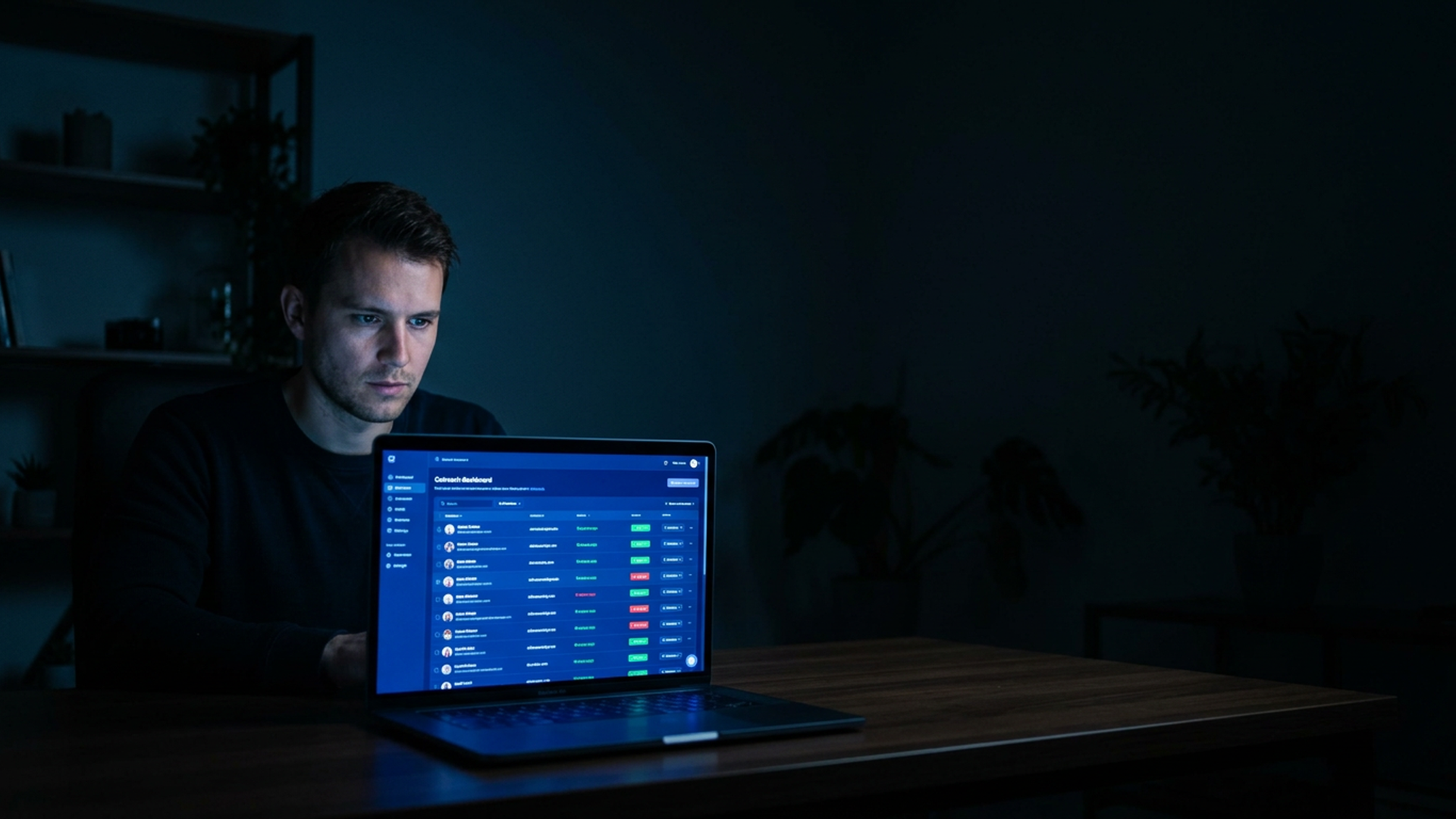
Getting influencers to notice your product before launch is mostly a targeting problem, not a charm problem. Send the right pitch to the right person at the right moment and most influencers are open to it. Send a generic note to a bulk list and you get silence, or worse, a spam flag. The steps below cover how to find relevant contacts, write a pitch they will actually read, and follow up without burning your sender reputation.
Why pre-launch is the best time to reach influencers
Influencers get pitched constantly by brands that already have traction. A pre-launch pitch is different. You are offering something most brands cannot: first access. The creator gets to be the person who found you before you were known.
That is a real value exchange. The influencer looks like a tastemaker to their audience. You get early buzz and social proof without a paid sponsorship budget.
The window closes after launch. Once you are on Product Hunt or in the App Store, you are just another brand asking for coverage. Before launch, you are an opportunity.
Step 1: Find the right influencers first
This is where most founders waste the most time. They search Instagram or TikTok for accounts with big follower counts and start pitching from the top. That is the wrong filter.
What you want is relevance, not reach. A creator with a smaller, tightly focused audience in your exact niche will perform better than a generalist with ten times the followers. Their audience trusts their opinion on your category specifically.
Four ways to find niche-relevant contacts:
- Search by problem, not by category. Look for creators who talk about the problem your product solves, not just the product category. A founder building a budgeting app should look for creators who talk about "freelancer finances" or "money anxiety," not just personal finance.
- Check who your ICP already follows. Go to the Reddit and Indie Hackers threads where your target users hang out. See which creators they mention and recommend to each other.
- Look at podcast guest lists. Podcasters invite guests who have engaged audiences in adjacent topics. A guest list is a pre-filtered influencer database.
- Use contact discovery automation. LaunchNowAI's Runway tier at $49/mo finds up to 100 relevant influencers, podcasters, and niche media contacts per month. You describe your product and target audience; the AI finds the contacts, checks relevance, and prepares outreach. No manual spreadsheet required.
Step 2: Write a pitch they will actually open
The subject line determines whether the email gets read. Influencers open emails that feel personal and skip the ones that read like a template. The fastest way to fail: "collaboration opportunity" in the subject line.
What works instead: name something specific about their content in the first sentence. Not a compliment. An observation. "Your thread on sustainable packaging resonated with me because I am building exactly for that problem" is a door opener. "Love your content" is noise.
The pitch body should cover three things and nothing else:
- What your product does, in one sentence
- Why their audience specifically would care
- What you are offering them: early access, a free tier for life, a commission, or just the chance to be first
Keep it under 150 words. Influencers read on their phones between shoots or edits. Long emails get archived.
Every outreach message should include a real opt-out. This is not optional. Under CAN-SPAM, commercial email without a clear opt-out mechanism carries penalties per violating message. Beyond the legal requirement, it signals that you are a professional, not a spammer. LaunchNowAI runs a compliance audit on every outreach batch before it sends, and the opt-out is built into every message by default.
Step 3: Follow up once, correctly
Most positive responses to cold outreach come from the first follow-up, not the original message. Wait five to seven business days, then send one short note. Not an apology for bothering them. A reframe.
A follow-up that works: add one piece of new information. A waitlist milestone you hit, a beta result, a press mention. This shows momentum and gives the influencer a reason to revisit your email.
One follow-up. That is the limit. Two follow-ups without a reply and you have crossed from persistence into noise. Move on.
Step 4: Give them something shareable before launch
A working product or beta access is the strongest thing you can offer a creator before launch. If the product is not ready, a detailed preview, a private demo video, or a behind-the-scenes look at what you are building can substitute.
The goal is to give the influencer content. They are always looking for something interesting to share with their audience. If your pre-launch is genuinely interesting, you are doing their job for them.
One thing that consistently works: share a problem you uncovered during building that surprised you. Creators love a revelation. It is more shareable than a feature list.
How to attract influencers to your brand with no budget
Paid influencer sponsorships are out of reach for most indie founders at the pre-launch stage. The good news is that early-stage outreach does not need a budget. It needs specificity.
The exchanges that work with zero cash:
- Lifetime free access to your product. Creators who genuinely use your tool will mention it. That mention is worth more than a sponsored post because it is authentic.
- Revenue share. A simple affiliate link with a commission on signups converts well for creators with engaged audiences. Set it up before you pitch them.
- Co-created content. Offer to interview the influencer for your newsletter or blog. They get a backlink and exposure. You get a warm relationship before you ask for anything.
The pattern that does not work: offering "exposure" in return for a post. Exposure is not a currency. Offer something the creator can spend.
If you want to scale this outreach without spending all day on it, the Runway tier handles contact discovery, personalized outreach, and follow-up sequences automatically. Every message gets a compliance review before it sends. You stay in builder mode; the outreach runs alongside.
Which brands send PR to small influencers?
Smaller brands and early-stage startups do this more than you might think. Micro-influencers often have higher engagement rates and more trusting audiences than large accounts. They are also more likely to respond to a genuine pitch because they are not flooded with sponsorship requests.
The approach for PR outreach to small influencers is the same as the steps above: relevance first, short pitch, real opt-out, one follow-up. The difference is that with micro-influencers you can sometimes move from email to a quick call. That relationship compounds over time.
For the outreach mechanics and how to build your waitlist alongside your influencer campaign, read how to get your first 100 waitlist signups. The two run in parallel, not in sequence.
Frequently asked questions
How do I get influencers to promote my product for free?
Offer them something they actually value: early access, lifetime free use, or a revenue share. Specificity matters. Pitch creators whose audience has the exact problem your product solves. A relevant ask from a founder they have never heard of outperforms a generic collaboration request, because it feels personal.
How do I reach out to influencers for a collaboration?
Short subject line, specific first sentence, three things in the body: what you are building, why their audience cares, what you are offering. Under 150 words. Include an opt-out. Follow up once after five to seven business days with one new piece of information. That is the full structure.
How do I attract influencers to my brand before I have traction?
Lead with first access. Pre-launch is the one moment when "you can be the first to cover this" is genuinely true. Pair that with a clear value exchange, keep the pitch short, and target creators in your exact niche rather than the largest accounts you can find.
Do I need a lot of followers to get influencers to respond?
No. Influencers respond to relevance and a credible offer, not to your follower count. A founder with 200 Twitter followers who sends a thoughtful, specific pitch to the right niche creator will get more replies than a generic blast from a polished brand account.
If you are ready to run your first influencer outreach campaign without the manual work, start with Runway at $49/mo. The AI finds your contacts, writes the outreach, runs the compliance check, and handles follow-ups. See what Runway includes on the pricing page.